Blog
How Container Transport Services Keep Freight Moving Safely and On Schedule

Shipping containers move large quantities of goods between ports, warehouses, distribution centres, construction sites, and business premises. Keeping this freight on schedule requires suitable vehicles, accurate documentation, secure loading, and careful coordination between all parties.
Professional container transport services manage these requirements while accounting for road conditions, delivery windows, equipment availability, and site access. Early planning helps reduce delays and protects both the cargo and the people involved in its movement.
Planning the Container Transport Journey


Source: containermovers.com
Every container movement begins with accurate information. The transport provider needs to know the container size, type, weight, contents, collection point, destination, preferred timing, and whether special handling equipment is required.
Be informed about interstate shipping container transport that can deliver your freight safely, efficiently and securely. Discussing the complete journey with an experienced provider makes it easier to identify route restrictions, scheduling risks, and equipment requirements before dispatch.
Port collections often depend on strict availability periods and terminal procedures. Delays can result in storage, waiting-time, or detention charges, so documentation and release details should be confirmed before a truck is sent.
Long-distance journeys require realistic schedules that account for traffic, roadworks, weather, regulated driving hours, and mandatory rest periods. A reliable plan should include reasonable contingency time without creating unnecessary delays.
Protecting Containers and Their Cargo


Source: alhajritransport.com
The selected vehicle and trailer must be suitable for the container’s dimensions and total weight. Overloaded or incorrectly configured transport can create serious safety risks and may breach road regulations.
Cargo should be packed and restrained inside the container so that it does not shift during braking, cornering, or travel over uneven roads. Poor weight distribution can affect vehicle stability and place excessive pressure on the container or its contents.
Container doors, locking bars, seals, and external surfaces should be inspected before transport. Any visible damage, corrosion, holes, or evidence of tampering should be documented before the container leaves the collection point.
Security measures may include numbered seals, locks, tracking systems, controlled access, and recorded handovers. High-value or sensitive freight may need additional monitoring or specialised insurance.
Drivers should also receive information about hazardous, fragile, temperature-sensitive, or unusually heavy contents. Certain goods require specific documentation, placarding, segregation, or emergency procedures.
Coordinating Collection and Delivery Sites

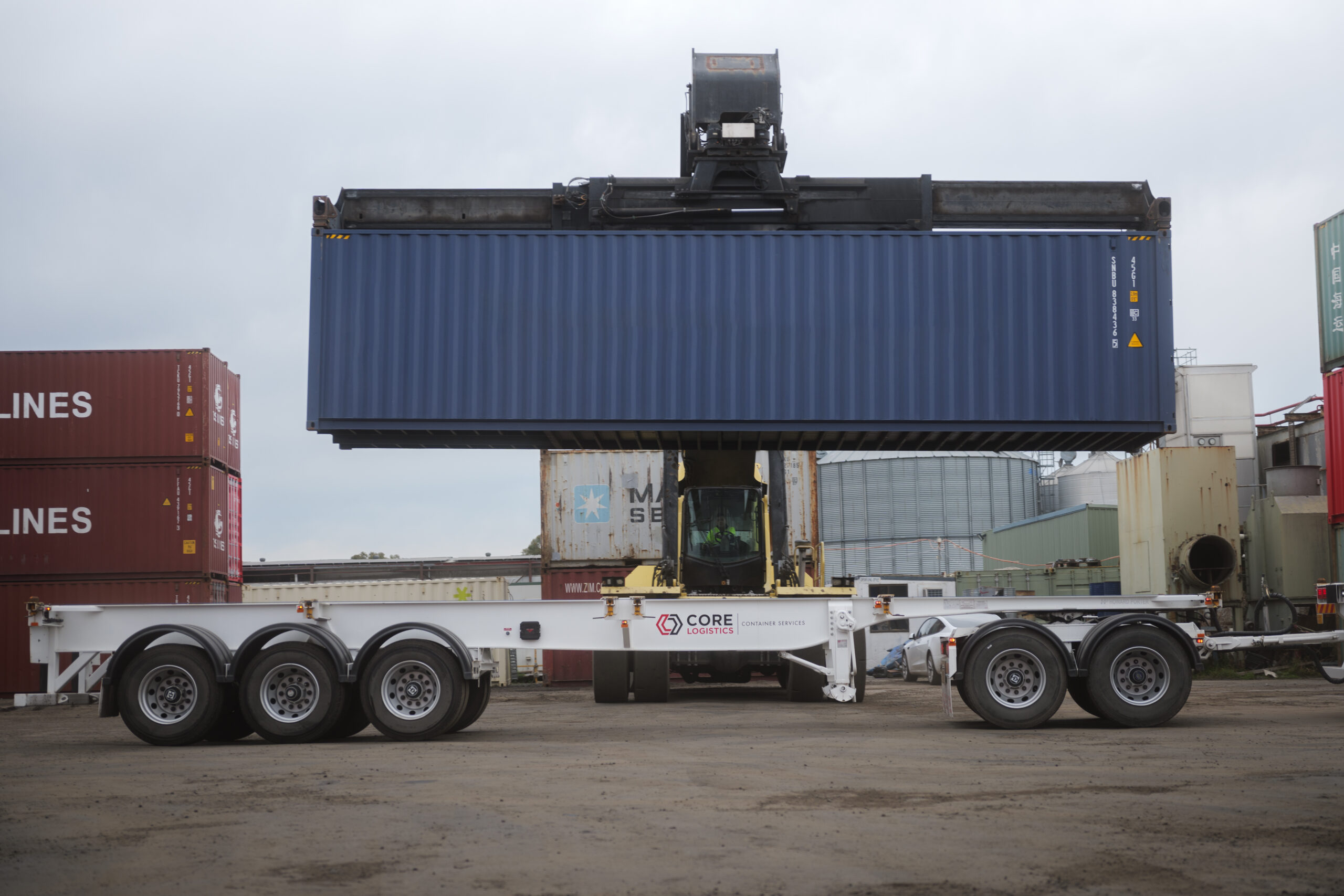
Source: corelog.com.au
Collection and delivery locations must be suitable for the transport vehicle. Narrow gates, low branches, overhead powerlines, weight-restricted roads, soft ground, and limited turning space can prevent safe access.
If the container will be placed on the ground, the provider may need a side loader, crane truck, or other specialised equipment. The site should provide a level, stable surface with enough clearance for the lifting operation.
Businesses should nominate contacts at both locations and confirm operating hours, induction requirements, loading zones, and scheduled delivery windows. Clear communication helps prevent drivers from waiting while access or unloading arrangements are resolved.
Tracking and status updates give customers visibility throughout the journey. Proof of delivery should record when the container arrived, who accepted it, and whether any damage or delivery issue was observed.
If delays occur, early notification allows warehouses, project teams, and customers to adjust their plans and minimise disruption to later activities.
Conclusion
Container transport services keep freight moving by combining accurate planning, suitable vehicles, secure cargo handling, and effective communication. Each stage must be coordinated to protect the load and meet collection and delivery requirements.
Providing complete information and preparing both sites in advance can reduce waiting time, additional charges, and safety risks. With an experienced provider, container freight can travel securely and arrive according to a practical schedule.