Blog
Order Tracking Experience Optimization For DTC Brands

Order tracking has quietly become one of the most emotionally charged moments in ecommerce. A 2023 consumer behavior study found that more than 90 percent of customers check their order status at least once before delivery, and many check multiple times a day when something feels uncertain.
That small tracking page carries far more weight than most brands realize. It is where excitement turns into reassurance or doubt.
For direct to consumer brands, the order tracking experience is no longer a background logistics detail. It is part of how trust is earned, tested, and remembered.
Evaluating Tracking Platforms

Source: realtimenetworks.com
When teams evaluate platforms or systems, it is easy to get distracted by feature lists. The more important question is how well a solution supports the brand’s communication principles and internal workflows. Flexibility, clarity, and reliability often matter more than novelty.
You must be asking: how tracking technology is evolving?
Discussions around 2026 shipment tracking solutions for ecommerce retailers increasingly focus on how platforms handle carrier variability, proactive communication, and scalability rather than surface level design. Understanding these patterns helps brands make informed decisions without treating tools as silver bullets.
The best implementations tend to adapt tools to fit brand expectations, not the other way around. Tracking systems should support how the brand wants to communicate, not dictate it.
Order Tracking Is Part of the Product Experience
For many DTC brands, the product experience does not end at checkout. It extends through confirmation emails, shipping updates, carrier handoffs, and the moment the package arrives. Order tracking sits at the center of that stretch. Customers rarely separate logistics from brand responsibility. When tracking feels confusing or outdated, the frustration lands on the brand, not the carrier.
This experience includes more than a tracking number. It includes how clearly the order is confirmed, how soon updates begin, and whether status messages feel understandable to a non technical customer. A well designed tracking flow quietly answers questions before they are asked. A poorly designed one creates anxiety that spills into inboxes and support queues.
When brands treat tracking as part of the product experience, internal conversations change. It becomes something product, operations, and support teams care about together rather than something delegated only to logistics.
What the Order Tracking Experience Actually Includes

Source: razorpay.com
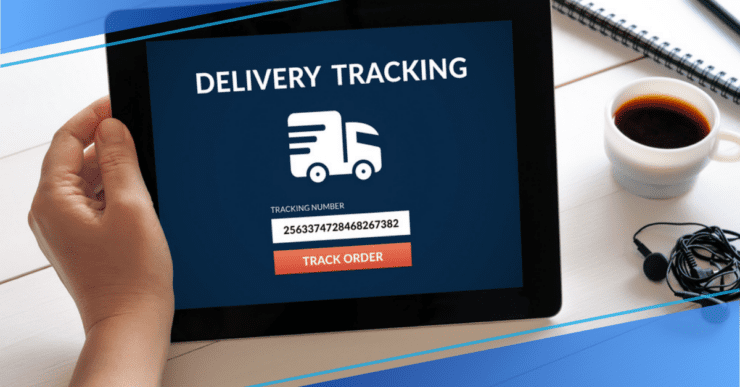
Order tracking starts the moment a customer completes checkout. The confirmation page sets expectations around fulfillment timing and next steps. The first email either reassures or leaves room for doubt. After that, every update shapes how reliable the brand feels.
A complete tracking experience usually includes several touchpoints that work together:
- Clear confirmation messaging immediately after purchase
- Shipping notifications that explain what has changed, not just that something changed
- A tracking page that translates carrier status into plain language
- Proactive updates when delays or exceptions occur
Many brands focus only on the tracking page itself, but customers experience tracking as a sequence. Gaps between steps create uncertainty. When nothing happens for days, customers assume something is wrong. A strong tracking experience reduces that silence and replaces it with context.
Common Pain Points That Create Post Purchase Anxiety
Most order tracking issues in DTC ecommerce are not caused by broken systems or lost packages. They usually come from mismatched expectations and unclear communication. Customers see status messages like “label created” or “in transit” but are left guessing what is actually happening behind the scenes. When updates change without explanation, uncertainty builds quickly, especially for international or multi carrier shipments.
The most common sources of post purchase anxiety tend to follow a familiar pattern:
- Vague or technical status labels that do not explain progress in plain language
- Long gaps between updates that make customers assume something is wrong
- Inconsistent messaging across carriers or regions
- No proactive communication when delays or exceptions occur
When faced with this kind of uncertainty, customers behave predictably. They refresh tracking pages, search their inbox for missed emails, and eventually reach out to customer support for reassurance. Even if the order arrives on time, the experience feels stressful rather than reliable.
Why Tracking Quality Directly Affects Support Load
Customer support teams usually feel tracking problems before anyone else. A large share of “Where is my order” tickets are not triggered by late deliveries, but by unclear or confusing information. Customers reach out because they cannot interpret statuses like “in transit” or sudden changes in carrier updates. The issue is uncertainty, not timing.
When tracking communication improves, support volume often drops even if delivery speed stays the same. Clear explanations reduce the need for reassurance. Support teams can then focus on real exceptions instead of repeatedly translating vague carrier language. There is also a morale effect. Agents generally prefer solving problems, not calming anxiety caused by unclear systems. Better tracking clarity makes their work more effective, especially during high volume periods.
In many DTC organizations, tracking optimization becomes one of the few post purchase improvements that helps both customers and internal teams at the same time.
Tracking and Brand Trust Are Closely Linked

Source:pinterest.com
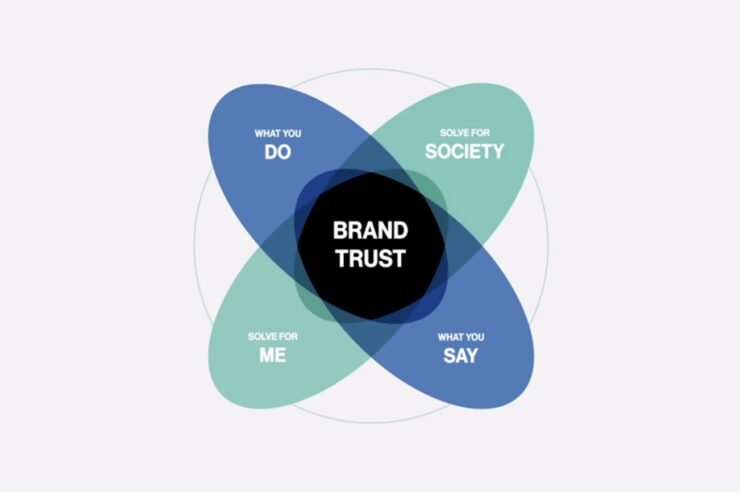
Trust is built through consistency. When checkout messaging sets one expectation and the tracking experience tells a different story, customers notice. Over time, those small mismatches weaken confidence, even if the product itself performs well.
Transparent tracking signals operational maturity. Customers do not expect perfection, but they do expect honesty. Clear explanations of delays often strengthen trust more than silence. Order tracking is also one of the only operational systems customers see directly, so it becomes a proxy for how reliable the brand feels behind the scenes.
What Realistic Optimization Looks Like
Effective tracking optimization is rarely about major redesigns. Meaningful improvements tend to be incremental. Clearer language, better timing of updates, and proactive communication during delays usually matter more than visual polish. Brands that treat tracking as an ongoing refinement, rather than a one time project, see more durable results as they scale.
Order Tracking as a Long Term Trust Builder
Order tracking experience optimization is not about adding features for their own sake. It is about reducing uncertainty in moments when customers are most vulnerable to doubt. Every clear update, honest explanation, and timely message reinforces the sense that the brand is dependable.
Over time, this reliability compounds. Customers who feel informed during delivery are more likely to return, recommend the brand, and forgive occasional issues. Tracking becomes part of the relationship rather than a source of friction.
For DTC brands, the goal is not perfection. It is consistency and transparency. When tracking supports those values, it quietly strengthens trust with every shipment sent.