
Blog
High End Business Dinner Venues In Munich City Center


Munich consistently ranks among Europe’s top cities for international conferences and executive travel, and that reputation did not happen by accident.
According to Germany Trade and Invest, Bavaria attracts thousands of high level business events every year, many of them centered right in Munich’s historic core. That means one thing for hosts: expectations are high.
A business dinner here is not just about food. It is about discretion, atmosphere, timing, and choosing a venue that quietly signals competence and confidence.
If you are planning to entertain clients, investors, or senior partners, the city center offers several refined options that strike the right balance between prestige and comfort.
Why Munich’s city center sets the standard for executive dining
Munich’s Altstadt and surrounding central districts combine old world elegance with modern business infrastructure, which is exactly what makes them ideal for high end business dinners. Many venues are located in historic buildings but operate with contemporary service standards, multilingual staff, and discreet private rooms. That combination creates a setting where conversations flow naturally and distractions stay minimal.
For visiting executives who want to extend the evening beyond the table, central Munich also offers a wide range of companion services and concierge style experiences. Some hosts discreetly arrange additional leisure plans for their guests through trusted local providers such as escort München services, which are often valued for their professionalism, punctuality, and emphasis on discretion rather than spectacle. In the city center, everything works smoothly because the infrastructure supports it.
What makes central venues stand out for business use:
- Easy access from major hotels and offices within walking distance.
- Staff accustomed to international etiquette and confidential meetings.
- Interiors designed to feel impressive without being intimidating.
Fine dining restaurants that balance prestige and comfort

Source: tastingtable.com
High end business dinners work best when the restaurant feels polished but not rigid. In Munich’s city center, several fine dining venues are known for creating that balance. These restaurants usually feature restrained interiors, excellent acoustics, and service teams trained to read the table. Plates arrive on time, wine suggestions are thoughtful, and interruptions are minimal.
Menus often lean toward modern European cuisine with seasonal Bavarian influences, which works well for international guests. It feels local without being overwhelming. Portions are carefully paced, making it easier to keep conversations focused and energy levels steady throughout the evening.
Did you know?
Studies in hospitality management show that moderate noise levels and warm lighting can significantly improve negotiation outcomes by reducing cognitive stress. Many top Munich restaurants design their dining rooms with this exact principle in mind, favoring soft materials and indirect lighting to support longer discussions.
This attention to atmosphere is one of the reasons Munich’s fine dining scene is so respected among corporate travelers.
Private dining rooms for confidential conversations

Source: theresa-restaurant.com
When privacy matters more than presentation, private dining rooms become the smartest option. Munich’s city center has several venues that offer enclosed spaces specifically designed for executive dinners, board level meetings, and sensitive negotiations.
These rooms often include adjustable lighting, dedicated service staff, and layouts that encourage equal participation around the table.
A typical setup looks like this:
|
Feature |
Why it matters |
| Separate entrance or discreet access | Reduces visibility and interruptions |
| Fixed menu options | Keeps service smooth and predictable |
| Sound insulated walls | Ensures confidentiality |
| Dedicated host or maître d’ | Maintains consistent service flow |
After choosing a private room, it is worth discussing pacing with the restaurant in advance. Clear timing helps align courses with conversation milestones, which makes the evening feel intentional rather than rushed.
Final thoughts
Hosting a business dinner in Munich’s city center is about understanding nuance. The best venues combine excellent cuisine with spatial awareness, discretion, and service that adapts to the table rather than dominating it. Whether you choose a classic fine dining room, a private executive suite, or a modern luxury restaurant, the key is alignment with your goals and your guests’ expectations.
Munich rewards careful planning. When the setting supports conversation instead of competing with it, relationships deepen and decisions come easier. In a city built on precision and hospitality, the right dinner venue can quietly do half the work for you.


Coin-operated washing machines provide a practical payment solution for laundromats, apartment buildings, student accommodation, caravan parks, and other shared laundry facilities. They allow users to access equipment independently while giving operators a straightforward way to collect revenue.
The best machine is not simply the one with the lowest purchase price. Capacity, durability, utility consumption, payment security, maintenance access, and ease of use all affect the long-term value of commercial laundry equipment.
Choose a Machine Built for Commercial Use
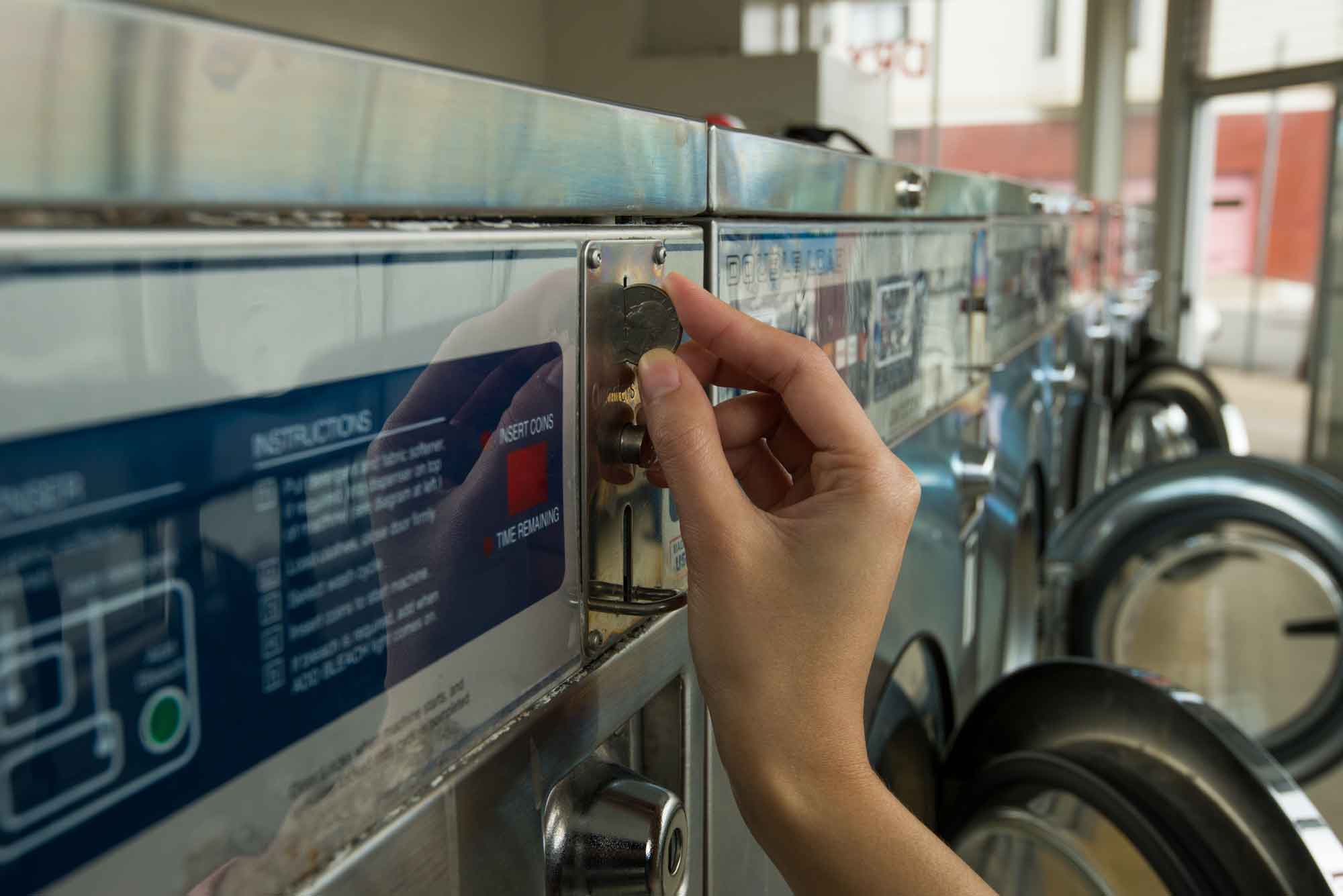
Source: laundrysolutionscompany.com
A busy shared laundry may operate throughout the day, with each machine completing far more cycles than a typical household appliance. Equipment should therefore be designed for repeated commercial use and supported by components capable of handling demanding workloads.
Operators comparing a commercial coin washing machine can read here about suitable models, available capacities, payment features, and installation requirements. A specialist supplier can also help determine whether a machine is appropriate for a laundromat or a smaller shared laundry room.
Construction quality should be evaluated carefully. A durable cabinet, dependable drum, commercial-grade bearings, secure door mechanism, and accessible service areas can reduce disruption and simplify maintenance.
Warranty coverage and access to replacement parts are equally important. A low-cost machine may become expensive if common components are unavailable or a qualified technician cannot attend promptly when a fault occurs.
Match Capacity and Programmes to User Demand

Source: commerciallaundries.com
The correct capacity depends on the number of users, available floor space, and types of laundry commonly processed. Standard-capacity machines may be suitable for clothing, while larger units are useful for bedding, blankets, towels, and family-sized loads.
Laundromats often benefit from offering several machine sizes. Customers can select an option that matches their load instead of paying for unused capacity or dividing bulky laundry between multiple machines.
Shared laundry rooms in apartment buildings or accommodation facilities may require fewer programmes than a full-service laundromat. Controls should remain simple, clearly labelled, and easy to understand without staff assistance.
Useful programme options can include cold, warm, and hot washes, delicate cycles, and settings for heavily soiled items. Cycle lengths should balance cleaning performance with customer turnover, especially during peak periods when other users may be waiting.
Review Payment, Efficiency and Installation Requirements

Source: commerciallaundries.com
A reliable coin mechanism should be secure, easy to empty, and compatible with the required currency or token system. Operators should be able to adjust vend prices when utility costs or business requirements change.
Some machines combine coin payment with cards, mobile applications, or contactless systems. Offering more than one payment method can improve convenience, although operators must consider transaction charges, network requirements, and ongoing software costs.
Water and electricity consumption have a direct effect on profitability. Compare resource use per cycle, extraction speed, detergent requirements, and programme duration. A washer with a strong final extraction can reduce the moisture remaining in fabrics and shorten subsequent drying times.
Before ordering, inspect the room’s plumbing, drainage, electrical supply, ventilation, floor strength, and machine clearances. Measure entrances and corridors to ensure that the equipment can be delivered and installed safely.
The layout should provide enough room for users to load machines, move baskets, and access folding areas. Service technicians must also be able to reach important components without removing several neighbouring machines.
Conclusion
The best coin-operated washing machines combine commercial durability, suitable capacity, efficient operation, secure payments, and reliable technical support. The ideal model will depend on whether it serves a busy public laundromat or a smaller shared facility.
By comparing total ownership costs and planning the installation carefully, operators can select equipment that reduces downtime, improves the user experience, and generates dependable revenue over the long term.

Shipping containers move large quantities of goods between ports, warehouses, distribution centres, construction sites, and business premises. Keeping this freight on schedule requires suitable vehicles, accurate documentation, secure loading, and careful coordination between all parties.
Professional container transport services manage these requirements while accounting for road conditions, delivery windows, equipment availability, and site access. Early planning helps reduce delays and protects both the cargo and the people involved in its movement.
Planning the Container Transport Journey

Source: containermovers.com
Every container movement begins with accurate information. The transport provider needs to know the container size, type, weight, contents, collection point, destination, preferred timing, and whether special handling equipment is required.
Be informed about interstate shipping container transport that can deliver your freight safely, efficiently and securely. Discussing the complete journey with an experienced provider makes it easier to identify route restrictions, scheduling risks, and equipment requirements before dispatch.
Port collections often depend on strict availability periods and terminal procedures. Delays can result in storage, waiting-time, or detention charges, so documentation and release details should be confirmed before a truck is sent.
Long-distance journeys require realistic schedules that account for traffic, roadworks, weather, regulated driving hours, and mandatory rest periods. A reliable plan should include reasonable contingency time without creating unnecessary delays.
Protecting Containers and Their Cargo

Source: alhajritransport.com
The selected vehicle and trailer must be suitable for the container’s dimensions and total weight. Overloaded or incorrectly configured transport can create serious safety risks and may breach road regulations.
Cargo should be packed and restrained inside the container so that it does not shift during braking, cornering, or travel over uneven roads. Poor weight distribution can affect vehicle stability and place excessive pressure on the container or its contents.
Container doors, locking bars, seals, and external surfaces should be inspected before transport. Any visible damage, corrosion, holes, or evidence of tampering should be documented before the container leaves the collection point.
Security measures may include numbered seals, locks, tracking systems, controlled access, and recorded handovers. High-value or sensitive freight may need additional monitoring or specialised insurance.
Drivers should also receive information about hazardous, fragile, temperature-sensitive, or unusually heavy contents. Certain goods require specific documentation, placarding, segregation, or emergency procedures.
Coordinating Collection and Delivery Sites
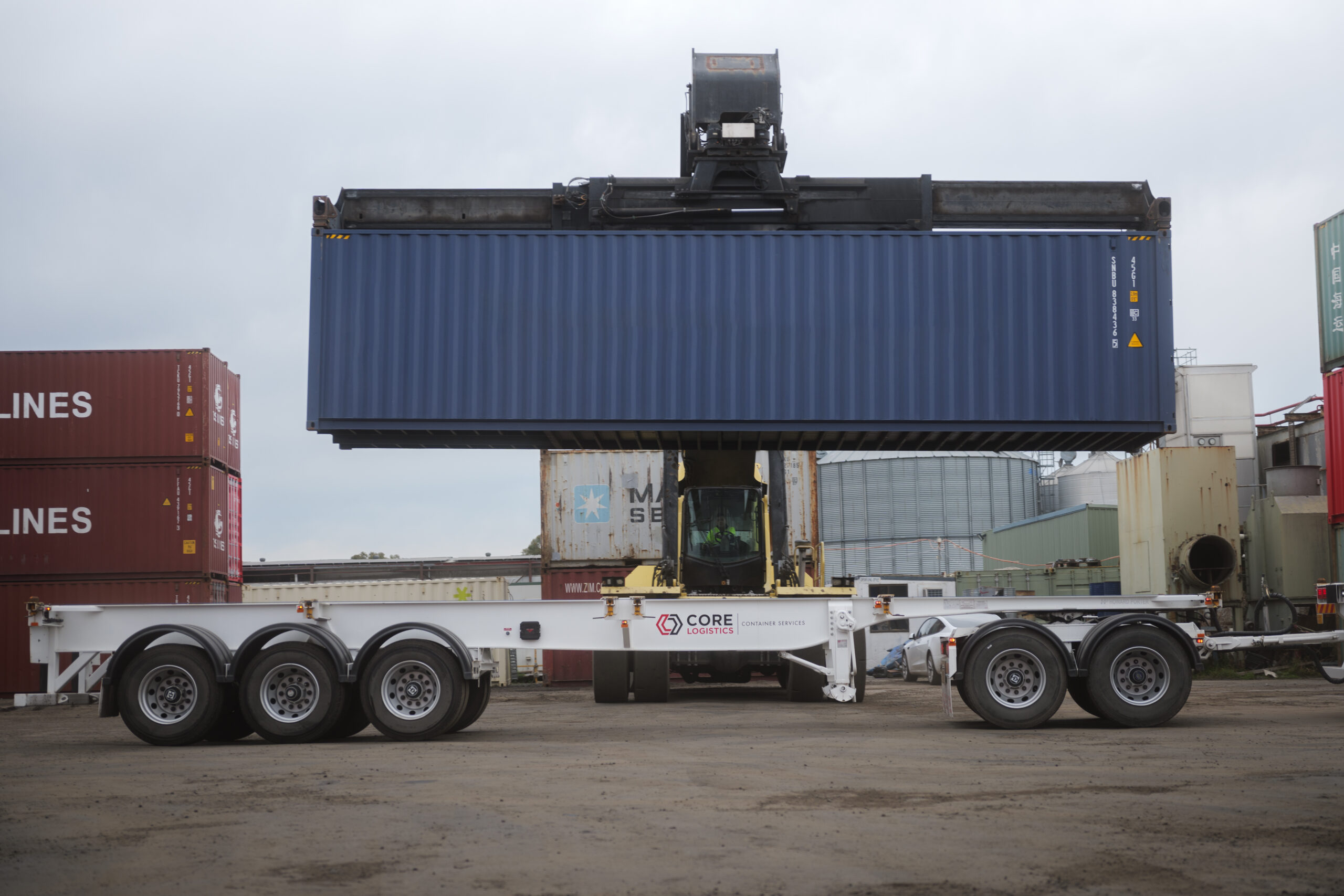
Source: corelog.com.au
Collection and delivery locations must be suitable for the transport vehicle. Narrow gates, low branches, overhead powerlines, weight-restricted roads, soft ground, and limited turning space can prevent safe access.
If the container will be placed on the ground, the provider may need a side loader, crane truck, or other specialised equipment. The site should provide a level, stable surface with enough clearance for the lifting operation.
Businesses should nominate contacts at both locations and confirm operating hours, induction requirements, loading zones, and scheduled delivery windows. Clear communication helps prevent drivers from waiting while access or unloading arrangements are resolved.
Tracking and status updates give customers visibility throughout the journey. Proof of delivery should record when the container arrived, who accepted it, and whether any damage or delivery issue was observed.
If delays occur, early notification allows warehouses, project teams, and customers to adjust their plans and minimise disruption to later activities.
Conclusion
Container transport services keep freight moving by combining accurate planning, suitable vehicles, secure cargo handling, and effective communication. Each stage must be coordinated to protect the load and meet collection and delivery requirements.
Providing complete information and preparing both sites in advance can reduce waiting time, additional charges, and safety risks. With an experienced provider, container freight can travel securely and arrive according to a practical schedule.

Litigation funding transparency has become a major issue in the UK legal market as group claims grow larger, more expensive, and more dependent on external financial backing. Funding can help claimants pursue complex cases, but it also creates questions about cost, control, and how compensation may eventually be shared.
As more legal actions rely on investors and specialist funders, the market is facing closer review. Claimants, courts, and regulators want clearer information about how cases are financed and whether current rules provide enough protection.
Why Transparency Is Under Review

Source: eureporter.co
Transparency concerns often increase when large funded claims face Budget issues, because rising costs can affect confidence among claimants, law firms, and financial backers. When a case becomes more expensive than expected, stakeholders want to understand how money is being spent and who is responsible for financial decisions.
Funding agreements can be difficult for ordinary claimants to understand. They may involve legal fees, insurance costs, funder returns, success fees, and deductions from any settlement or award.
Clearer disclosure could help claimants know what they are agreeing to before joining a case.
What Better Disclosure Could Change

Source: highriselegalfunding.com
Improved transparency may require law firms and funders to explain funding terms more clearly at the start of a claim. This could include details about who is funding the case, how costs are calculated, and what happens if the case succeeds or fails.
Courts may also take a stronger role in reviewing funding arrangements to ensure they are fair and proportionate. This could help protect claimants from unclear or unbalanced agreements.
For funders, stronger disclosure rules may increase administration, but they could also improve trust in the market.
Balancing Access To Justice And Regulation

Source: ncchamber.com
The main challenge is finding the right balance between protecting claimants and keeping funding available. If rules become too strict, some investors may avoid supporting difficult or risky claims.
At the same time, weak transparency can damage public confidence and create disputes when settlements are reached. Claimants need to understand how much they may receive after fees and funding costs are deducted.
A fair system should keep legal finance accessible while making the financial structure easier to understand.
Conclusion
The UK legal market is under review because litigation funding now plays a major role in large claims. Transparency is essential for protecting claimants, reassuring funders, and maintaining public trust. Better disclosure, stronger oversight, and clearer communication could help create a fairer system while preserving access to justice for people who need financial support to bring complex legal cases.

Best Coin-Operated Washing Machines for Laundromats and Shared Laundry Rooms

How Container Transport Services Keep Freight Moving Safely and On Schedule

Litigation Funding Transparency, Why The UK Legal Market Is Under Review

Game On: North Texas is a ‘Technology Entertainment Concept ‘Paradise.

Cannondale Information: All-new Topstone Carbon gravel bicycle unveiled.

EU takes steps to legislate sustainable fashion. It will work.
-

 Entertainment4 years ago
Game On: North Texas is a ‘Technology Entertainment Concept ‘Paradise.
-

 Sports4 years ago
Cannondale Information: All-new Topstone Carbon gravel bicycle unveiled.
-

 Fashion4 years ago
EU takes steps to legislate sustainable fashion. It will work.
-

 Business4 years ago
Customer Experience Innovation: The New Battlefield For Businesses.
-

 Fashion4 years ago
Dubai Design District welcomes leading Polish designers to the world-class fashion community.
-

 Business4 years ago
The Defence industry supports hundreds of UK jobs and business.
-

 Entertainment4 years ago
What is Nudekay, and How can I create it?
-

 Business4 years ago
A Guide To Anti-Money Laundering For Your Business.


