
Blog
High End Business Dinner Venues In Munich City Center


Munich consistently ranks among Europe’s top cities for international conferences and executive travel, and that reputation did not happen by accident.
According to Germany Trade and Invest, Bavaria attracts thousands of high level business events every year, many of them centered right in Munich’s historic core. That means one thing for hosts: expectations are high.
A business dinner here is not just about food. It is about discretion, atmosphere, timing, and choosing a venue that quietly signals competence and confidence.
If you are planning to entertain clients, investors, or senior partners, the city center offers several refined options that strike the right balance between prestige and comfort.
Why Munich’s city center sets the standard for executive dining
Munich’s Altstadt and surrounding central districts combine old world elegance with modern business infrastructure, which is exactly what makes them ideal for high end business dinners. Many venues are located in historic buildings but operate with contemporary service standards, multilingual staff, and discreet private rooms. That combination creates a setting where conversations flow naturally and distractions stay minimal.
For visiting executives who want to extend the evening beyond the table, central Munich also offers a wide range of companion services and concierge style experiences. Some hosts discreetly arrange additional leisure plans for their guests through trusted local providers such as escort München services, which are often valued for their professionalism, punctuality, and emphasis on discretion rather than spectacle. In the city center, everything works smoothly because the infrastructure supports it.
What makes central venues stand out for business use:
- Easy access from major hotels and offices within walking distance.
- Staff accustomed to international etiquette and confidential meetings.
- Interiors designed to feel impressive without being intimidating.
Fine dining restaurants that balance prestige and comfort

Source: tastingtable.com
High end business dinners work best when the restaurant feels polished but not rigid. In Munich’s city center, several fine dining venues are known for creating that balance. These restaurants usually feature restrained interiors, excellent acoustics, and service teams trained to read the table. Plates arrive on time, wine suggestions are thoughtful, and interruptions are minimal.
Menus often lean toward modern European cuisine with seasonal Bavarian influences, which works well for international guests. It feels local without being overwhelming. Portions are carefully paced, making it easier to keep conversations focused and energy levels steady throughout the evening.
Did you know?
Studies in hospitality management show that moderate noise levels and warm lighting can significantly improve negotiation outcomes by reducing cognitive stress. Many top Munich restaurants design their dining rooms with this exact principle in mind, favoring soft materials and indirect lighting to support longer discussions.
This attention to atmosphere is one of the reasons Munich’s fine dining scene is so respected among corporate travelers.
Private dining rooms for confidential conversations

Source: theresa-restaurant.com
When privacy matters more than presentation, private dining rooms become the smartest option. Munich’s city center has several venues that offer enclosed spaces specifically designed for executive dinners, board level meetings, and sensitive negotiations.
These rooms often include adjustable lighting, dedicated service staff, and layouts that encourage equal participation around the table.
A typical setup looks like this:
|
Feature |
Why it matters |
| Separate entrance or discreet access | Reduces visibility and interruptions |
| Fixed menu options | Keeps service smooth and predictable |
| Sound insulated walls | Ensures confidentiality |
| Dedicated host or maître d’ | Maintains consistent service flow |
After choosing a private room, it is worth discussing pacing with the restaurant in advance. Clear timing helps align courses with conversation milestones, which makes the evening feel intentional rather than rushed.
Final thoughts
Hosting a business dinner in Munich’s city center is about understanding nuance. The best venues combine excellent cuisine with spatial awareness, discretion, and service that adapts to the table rather than dominating it. Whether you choose a classic fine dining room, a private executive suite, or a modern luxury restaurant, the key is alignment with your goals and your guests’ expectations.
Munich rewards careful planning. When the setting supports conversation instead of competing with it, relationships deepen and decisions come easier. In a city built on precision and hospitality, the right dinner venue can quietly do half the work for you.


Managing finances is one of the most important responsibilities for any business, regardless of its size or industry. From tracking daily income and expenses to planning for long term growth, professional accountants help ensure that everything runs smoothly behind the scenes. On the Sunshine Coast in Queensland, many businesses rely on expert bookkeeping and financial strategy services to stay organized, compliant, and financially stable.
The Role of Business Accountants in Cash Flow Management
Choosing bookkeeping on the Sunshine Coast Queensland is a crucial step for businesses that want to maintain strong cash flow and financial stability. Cash flow is often described as the heartbeat of a business, and without proper management, even profitable companies can face serious challenges. Business accountants help monitor incoming and outgoing funds, ensuring that obligations such as salaries, supplier payments, and taxes are handled on time.
By maintaining accurate records and preparing detailed financial reports, accountants give business owners a clear picture of their financial health. This allows for better decision making, especially when it comes to investments, cost control, and future planning. With professional support, businesses can avoid common financial pitfalls and maintain steady operations even during uncertain periods.
How to Choose the Right Bookkeeping Service

Source: accountstability.com.au
When selecting a bookkeeping service, it is important to focus on experience, reliability, and adaptability. A quality bookkeeping provider does more than just record transactions it ensures accuracy, keeps records up to date, and supports compliance with financial regulations. This creates a strong foundation for all financial activities within a business.
Bookkeepers handle essential tasks such as invoicing, payroll processing, expense tracking, and bank reconciliations. Outsourcing these tasks allows business owners to concentrate on core operations while maintaining confidence in their financial data. Choosing a provider that understands your industry can also lead to more relevant insights and better support overall.
Financial Strategy as a Key to Business Growth

Source: hwgca.com
Beyond daily bookkeeping, financial strategy plays a vital role in long term success. Accountants help businesses develop realistic goals, create structured budgets, and forecast future performance. This enables companies to prepare for growth opportunities and respond effectively to changes in the market.
Strategic financial planning includes tax optimization, cost management, and performance evaluation. With accurate data and expert guidance, businesses can identify opportunities for improvement and make informed decisions that support profitability. Combining bookkeeping with financial strategy provides a complete approach to managing and growing a business.
Conclusion
Business accountants and professional bookkeepers are essential for maintaining financial control and supporting long term growth. From managing cash flow to providing strategic insights, their role goes far beyond simple record keeping. By choosing the right bookkeeping services, businesses on the Sunshine Coast can improve efficiency, reduce risks, and build a stronger financial future.


Order tracking has quietly become one of the most emotionally charged moments in ecommerce. A 2023 consumer behavior study found that more than 90 percent of customers check their order status at least once before delivery, and many check multiple times a day when something feels uncertain.
That small tracking page carries far more weight than most brands realize. It is where excitement turns into reassurance or doubt.
For direct to consumer brands, the order tracking experience is no longer a background logistics detail. It is part of how trust is earned, tested, and remembered.
Evaluating Tracking Platforms
Source: realtimenetworks.com
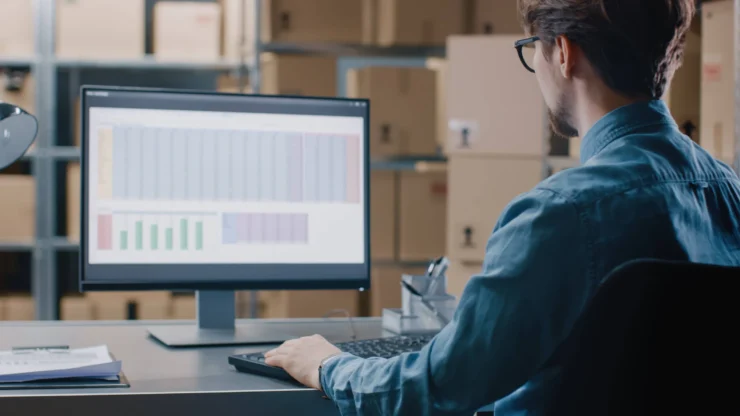
When teams evaluate platforms or systems, it is easy to get distracted by feature lists. The more important question is how well a solution supports the brand’s communication principles and internal workflows. Flexibility, clarity, and reliability often matter more than novelty.
You must be asking: how tracking technology is evolving?
Discussions around 2026 shipment tracking solutions for ecommerce retailers increasingly focus on how platforms handle carrier variability, proactive communication, and scalability rather than surface level design. Understanding these patterns helps brands make informed decisions without treating tools as silver bullets.
The best implementations tend to adapt tools to fit brand expectations, not the other way around. Tracking systems should support how the brand wants to communicate, not dictate it.
Order Tracking Is Part of the Product Experience
For many DTC brands, the product experience does not end at checkout. It extends through confirmation emails, shipping updates, carrier handoffs, and the moment the package arrives. Order tracking sits at the center of that stretch. Customers rarely separate logistics from brand responsibility. When tracking feels confusing or outdated, the frustration lands on the brand, not the carrier.
This experience includes more than a tracking number. It includes how clearly the order is confirmed, how soon updates begin, and whether status messages feel understandable to a non technical customer. A well designed tracking flow quietly answers questions before they are asked. A poorly designed one creates anxiety that spills into inboxes and support queues.
When brands treat tracking as part of the product experience, internal conversations change. It becomes something product, operations, and support teams care about together rather than something delegated only to logistics.
What the Order Tracking Experience Actually Includes

Source: razorpay.com
Order tracking starts the moment a customer completes checkout. The confirmation page sets expectations around fulfillment timing and next steps. The first email either reassures or leaves room for doubt. After that, every update shapes how reliable the brand feels.
A complete tracking experience usually includes several touchpoints that work together:
- Clear confirmation messaging immediately after purchase
- Shipping notifications that explain what has changed, not just that something changed
- A tracking page that translates carrier status into plain language
- Proactive updates when delays or exceptions occur
Many brands focus only on the tracking page itself, but customers experience tracking as a sequence. Gaps between steps create uncertainty. When nothing happens for days, customers assume something is wrong. A strong tracking experience reduces that silence and replaces it with context.
Common Pain Points That Create Post Purchase Anxiety
Most order tracking issues in DTC ecommerce are not caused by broken systems or lost packages. They usually come from mismatched expectations and unclear communication. Customers see status messages like “label created” or “in transit” but are left guessing what is actually happening behind the scenes. When updates change without explanation, uncertainty builds quickly, especially for international or multi carrier shipments.
The most common sources of post purchase anxiety tend to follow a familiar pattern:
- Vague or technical status labels that do not explain progress in plain language
- Long gaps between updates that make customers assume something is wrong
- Inconsistent messaging across carriers or regions
- No proactive communication when delays or exceptions occur
When faced with this kind of uncertainty, customers behave predictably. They refresh tracking pages, search their inbox for missed emails, and eventually reach out to customer support for reassurance. Even if the order arrives on time, the experience feels stressful rather than reliable.
Why Tracking Quality Directly Affects Support Load
Customer support teams usually feel tracking problems before anyone else. A large share of “Where is my order” tickets are not triggered by late deliveries, but by unclear or confusing information. Customers reach out because they cannot interpret statuses like “in transit” or sudden changes in carrier updates. The issue is uncertainty, not timing.
When tracking communication improves, support volume often drops even if delivery speed stays the same. Clear explanations reduce the need for reassurance. Support teams can then focus on real exceptions instead of repeatedly translating vague carrier language. There is also a morale effect. Agents generally prefer solving problems, not calming anxiety caused by unclear systems. Better tracking clarity makes their work more effective, especially during high volume periods.
In many DTC organizations, tracking optimization becomes one of the few post purchase improvements that helps both customers and internal teams at the same time.
Tracking and Brand Trust Are Closely Linked

Source:pinterest.com
Trust is built through consistency. When checkout messaging sets one expectation and the tracking experience tells a different story, customers notice. Over time, those small mismatches weaken confidence, even if the product itself performs well.
Transparent tracking signals operational maturity. Customers do not expect perfection, but they do expect honesty. Clear explanations of delays often strengthen trust more than silence. Order tracking is also one of the only operational systems customers see directly, so it becomes a proxy for how reliable the brand feels behind the scenes.
What Realistic Optimization Looks Like
Effective tracking optimization is rarely about major redesigns. Meaningful improvements tend to be incremental. Clearer language, better timing of updates, and proactive communication during delays usually matter more than visual polish. Brands that treat tracking as an ongoing refinement, rather than a one time project, see more durable results as they scale.
Order Tracking as a Long Term Trust Builder
Order tracking experience optimization is not about adding features for their own sake. It is about reducing uncertainty in moments when customers are most vulnerable to doubt. Every clear update, honest explanation, and timely message reinforces the sense that the brand is dependable.
Over time, this reliability compounds. Customers who feel informed during delivery are more likely to return, recommend the brand, and forgive occasional issues. Tracking becomes part of the relationship rather than a source of friction.
For DTC brands, the goal is not perfection. It is consistency and transparency. When tracking supports those values, it quietly strengthens trust with every shipment sent.


When it comes to impressing clients during a business dinner in Munich, the choice of venue can make all the difference. With its blend of traditional Bavarian charm and contemporary elegance, this vibrant city offers a dining scene that is as diverse as it is enticing.
Picture a bustling restaurant tucked away in a historic building, where the aroma of roasted meats mingles with the laughter of patrons enjoying fine wine. Or imagine a sleek, modern establishment boasting floor-to-ceiling windows that offer stunning views of the skyline as the sun sets.
From Michelin-starred eateries that promise a culinary journey to cozy bistros serving hearty local fare, Munich has it all. Selecting the right restaurant not only sets the tone for the evening but also conveys an appreciation for your clients’ tastes and expectations.
As we explore the finest dining options in this beautiful city, prepare to discover places that will leave a lasting impression long after the dessert course has been served.
Top Culinary Destinations for Client Meetings in Munich
Source: sofitel-munich.com
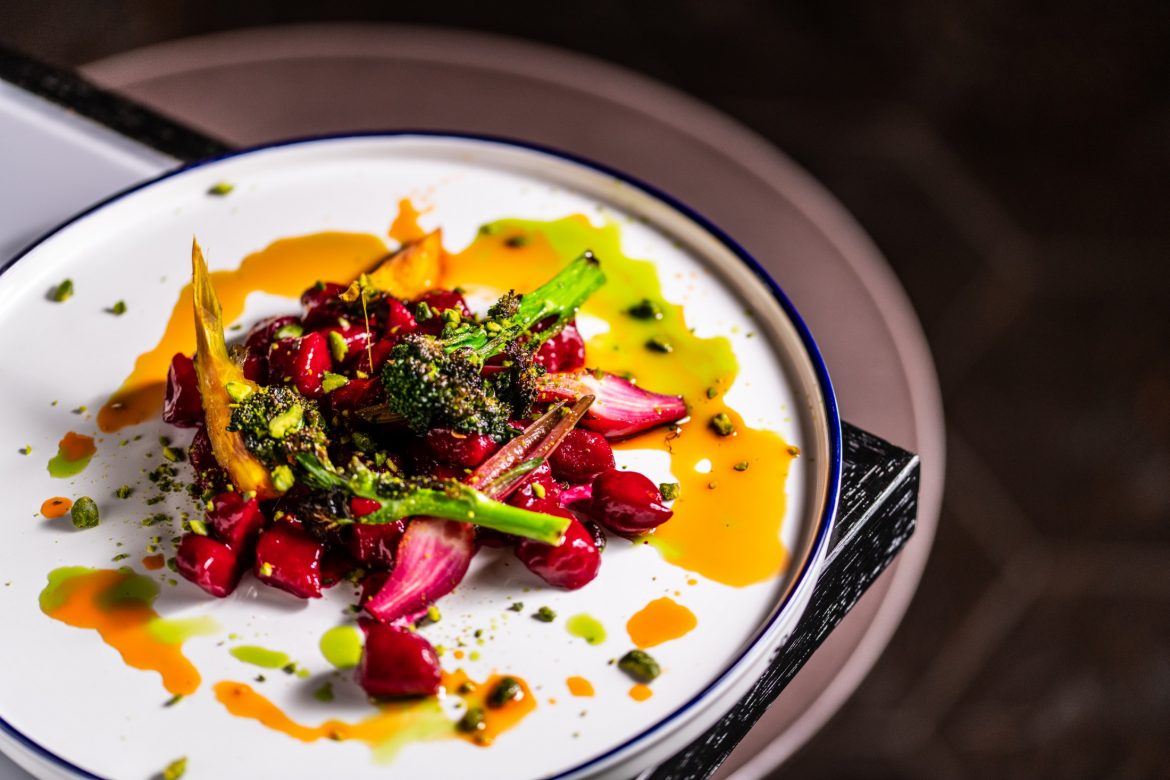
When seeking the ideal backdrop for client meetings in Munich, the city’s culinary landscape offers a delightful array of options that seamlessly blend sophistication and unforgettable flavors. Picture this: an evening spent at Tantris, where Michelin-starred elegance meets innovative gastronomy, or perhaps a more casual ambiance at Hofbräuhaus, where traditional Bavarian fare creates a vibrant, authentic atmosphere. If you’re aiming to impress with contemporary flair, then Restaurant Dallmayr provides an exquisite dining experience, showcasing the finest seasonal ingredients in a setting that speaks of elegance and rich history.
For those looking for a cozy yet stylish vibe, Kaffeeküche offers an artisanal menu with locally sourced delicacies, making it a perfect spot for relaxed conversations. Whether your goal is to seal a deal or strengthen a partnership, these culinary gems in Munich ensure that your business dinner will be as memorable as it is productive.
Impressive Restaurants in Munich for Successful Business Dinners

Source: www.tripadvisor.com
When aiming to impress clients during a business dinner in Munich, the city boasts a plethora of extraordinary dining establishments that seamlessly blend elegance with a menu sure to tantalize the taste buds. Picture the refined ambiance of *Tantris*, where Michelin-starred culinary artistry meets chic design—a feast for both the palate and the eyes.
Alternatively, the historic *Dallmayr*, a gourmet paradise, offers an exquisite array of traditional Bavarian dishes alongside modern culinary twists, perfect for those looking to savor local flavors in a sophisticated setting. For a unique experience, consider *SchwabenQuellen*, where the culinary delights are paired with a serene spa environment, allowing for relaxed conversation amid tranquil surroundings.
And let’s not overlook the rooftop gem, *The 6th Floor*, which provides stunning views over Munich—ideal for a memorable conclusion to your business discussion. Each venue not only serves exceptional food but also creates an atmosphere of exclusivity and professionalism, ensuring that your meeting leaves a lasting impression.
Munich\’s Finest: Where to Host a Memorable Client Dinner

Source: partstown.com
When seeking the perfect venue to host a memorable client dinner in Munich, look no further than the elegant embrace of the Michelin-starred restaurant Dallmayr. Nestled within the iconic Dallmayr delicatessen, this dining gem marries tradition with contemporary flair, creating an atmosphere that fosters both camaraderie and business discussions.
Picture this: sumptuous local dishes expertly crafted from the finest ingredients, complemented by an extensive wine list that showcases the best of German vintages. The ambience is a harmonious blend of sophistication and warmth, inviting your guests to indulge in both culinary delights and meaningful conversations.
Alternatively, if you crave a more avant-garde experience, the trendy Loco invites adventurous palates to explore innovative twists on classic recipes within a strikingly modern setting. Here, vibrant flavors dance upon the plate, making each course not just a meal but a conversation starter, ensuring your dinner is unforgettable.
Conclusion
In conclusion, choosing the right venue for a business dinner in Munich is crucial for making a lasting impression on clients. The city boasts a diverse array of exceptional restaurants, each offering unique culinary experiences and sophisticated atmospheres that are perfect for fostering productive conversations.
Whether you opt for traditional Bavarian fare or innovative international cuisine, the right setting can enhance your business dealings while showcasing the vibrant culture of Munich. Additionally, ifyou’ree looking to elevate the experience further, consider the services of escort München, who can provide expert local insights and recommendations. Ultimately, the combination of fine dining and attentive service will ensure that your business dinner is both memorable and successful.

Business Accountants for Cash Flow, Bookkeeping and Financial Strategy

Order Tracking Experience Optimization For DTC Brands

How Much Money A Travel Agent Can Earn Today

Game On: North Texas is a ‘Technology Entertainment Concept ‘Paradise.

Cannondale Information: All-new Topstone Carbon gravel bicycle unveiled.

EU takes steps to legislate sustainable fashion. It will work.
-

 Entertainment4 years ago
Game On: North Texas is a ‘Technology Entertainment Concept ‘Paradise.
-

 Sports4 years ago
Cannondale Information: All-new Topstone Carbon gravel bicycle unveiled.
-

 Fashion4 years ago
EU takes steps to legislate sustainable fashion. It will work.
-

 Business4 years ago
Customer Experience Innovation: The New Battlefield For Businesses.
-

 Fashion4 years ago
Dubai Design District welcomes leading Polish designers to the world-class fashion community.
-

 Business4 years ago
The Defence industry supports hundreds of UK jobs and business.
-

 Entertainment3 years ago
What is Nudekay, and How can I create it?
-

 Business4 years ago
A Guide To Anti-Money Laundering For Your Business.


